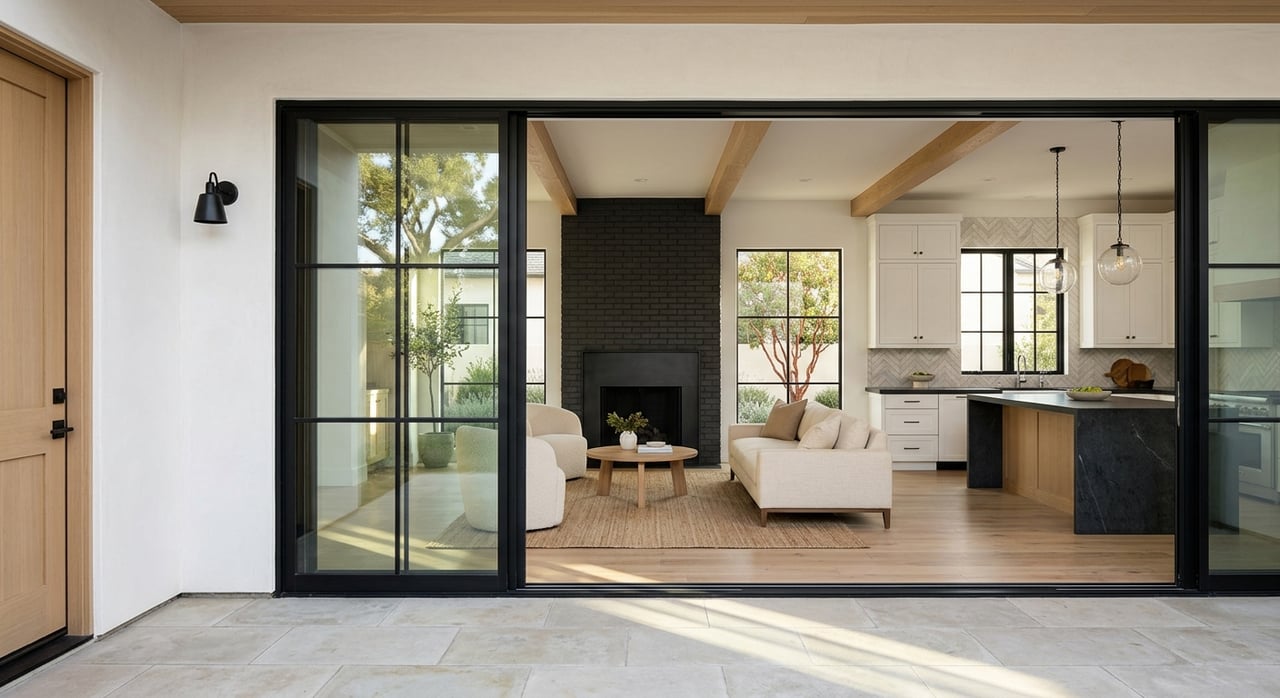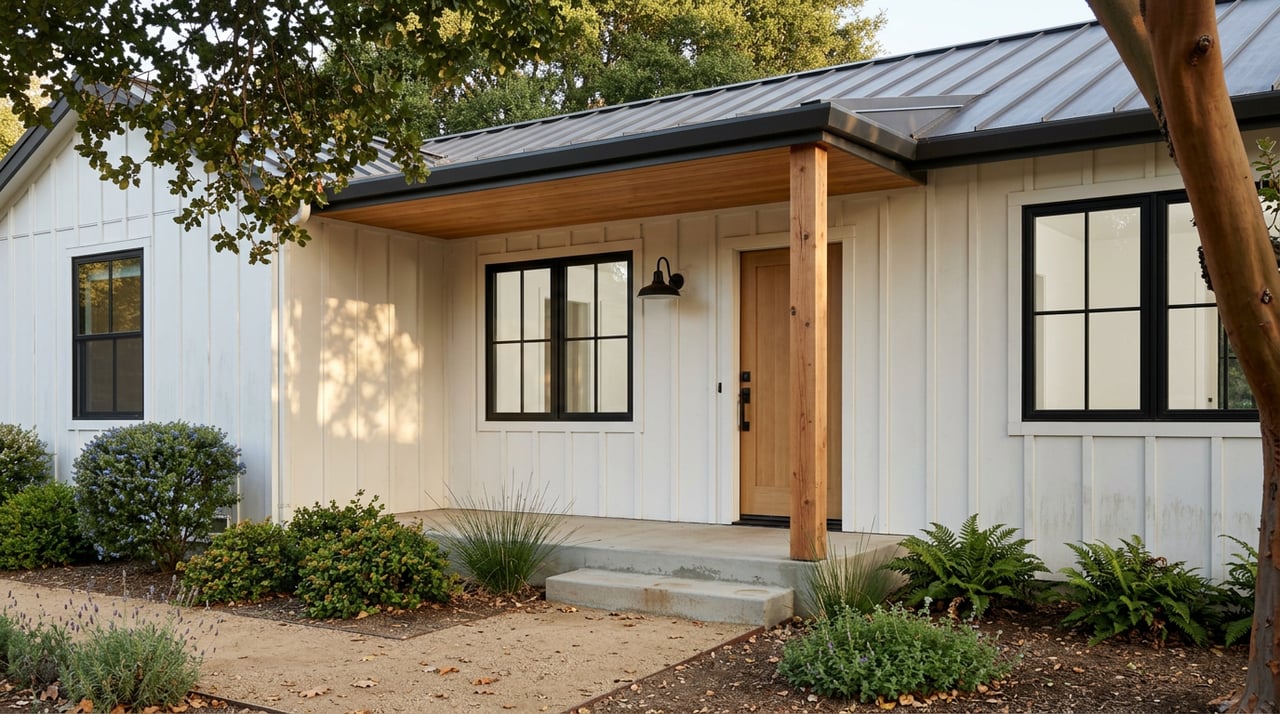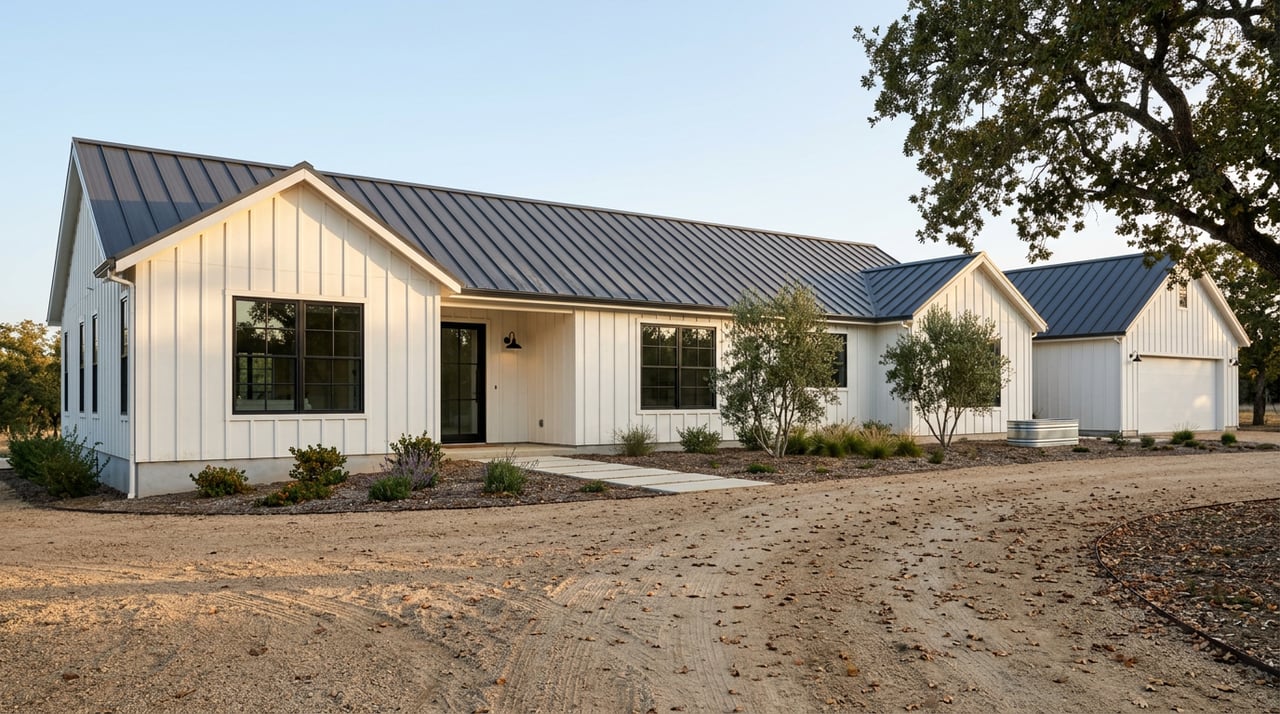
If you picture mornings with open sky, room for animals, and a little more quiet, Petaluma’s acreage and ranch properties may be calling you. Buying rural land is exciting, but it comes with different rules, systems, and risks than a neighborhood home. With the right plan, you can move forward with confidence and avoid costly surprises.
This guide gives you clear next steps: how local zoning works, what to know about wells and septic, which hazards to check, and the due diligence that protects you before you write an offer. Let’s dive in.
Start with location and zoning
Petaluma acreage lives under two sets of rules: inside city limits or in unincorporated Sonoma County. Jurisdiction affects almost everything, from permitted uses to fire and building standards.
City vs. county rules
Parcel by parcel, confirm who regulates your property. City parcels follow Petaluma’s zoning code, while most acreage around town falls under Permit Sonoma. Start your review with the city’s zoning ordinance to understand how local zones shape what you can build or operate on site. Check permitted uses and processes in the City of Petaluma zoning ordinance.
Permitted uses and structures
Ask specific questions early. Can you add an ADU, a barn, or convert a farm building? The answer depends on the exact zone, parcel size, setbacks, and any recorded restrictions. Talk with city or county planners before you rely on a plan in your offer.
Water and wastewater basics
Water and wastewater are the biggest differences between rural and suburban living. Most acreage relies on a private well and a septic system. Both deserve close, expert review.
Wells: permits, tests, and a fast‑changing rulebook
Sonoma County requires permits for new or replacement wells. Expect to review well logs, pump tests, and water‑quality reports during due diligence. Read current requirements on Permit Sonoma’s water well guidance.
Important update: A Sonoma County Superior Court order on Dec 17, 2024 led the County to pause non‑emergency well permits. The Court of Appeal issued a temporary stay on March 27, 2025 while ordinance updates move forward. Rules are still in motion, so verify status for your parcel using Permit Sonoma’s well‑permit suspension update before you plan on drilling a new well.
Practical buyer tip: If your plan depends on a new well or a replacement, make the permit path and testing milestones part of your offer strategy and timeline.
Water quality: what to test
Private well water should be tested for coliform bacteria and nitrate. In some Bay Area wells, arsenic and other primary contaminants can appear. Review the drill log, a recent pump test for yield, lab results, and a quote for any needed treatment system. If the property uses a pond or creek for irrigation, talk with your agent and water professionals about whether surface diversions require state review.
Septic systems: capacity and compliance
Septic systems in Sonoma County follow local onsite wastewater rules. Some properties use advanced treatment systems that require ongoing monitoring. Ask for the septic permit, the as‑built design, service and pump‑out history, and any monitoring program enrollment. Learn how the county oversees these systems through Permit Sonoma’s OPR program. If the system does not support your bedroom count, expect time and cost to upgrade.
Land use and legal limits
Beyond zoning, recorded documents can shape what you can do on the land. Read them closely and get professional help if you need it.
Williamson Act basics
Some rural parcels carry a Williamson Act contract. This program can lower property taxes in exchange for limits on non‑agricultural development. If a parcel is enrolled, read the recorded contract to understand what it allows. Start with the County’s overview and FAQs on agricultural preserves and Williamson Act.
Easements, access, and maintenance
Confirm legal access to the property. A private road often means shared maintenance and costs. Look for recorded road agreements, utility easements, and any restrictions that affect gates, fences, driveways, or bridge loads. If you need to do work in a public right‑of‑way, plan ahead for permits and timelines.
Surveys and title clarity
Rural properties can have complex boundary lines and older fences. Order a current boundary or ALTA‑level survey if there is any doubt about lines, building envelopes, or encroachments. Review the title commitment for agricultural leases, pipeline easements, or unusual exceptions before you remove contingencies.
Hazards and environmental permits
Hazard maps and environmental rules affect both costs and insurability. Check your parcel against the right maps and know when special permits apply.
Wildfire exposure and hardening
Wildfire risk influences insurance, building standards, and maintenance. The City of Petaluma publishes local fire hazard severity zone materials. Use the city’s fire hazard severity zone maps to understand your risk category and plan defensible space, fuel reduction, and home‑hardening work.
Flood and tidal risk on the Petaluma River
Lower areas by the river and its tributaries can face riverine and tidal flooding. If a home or planned structure sits in a Special Flood Hazard Area, your lender may require flood insurance. Look up the property address on the FEMA Map Service Center and ask your surveyor about elevation certificates and base‑flood elevation.
Creeks, wetlands, and sensitive habitat
Work near creeks or wetlands often needs environmental permits and mitigation. Even routine projects like replacing a culvert or improving a stream crossing can trigger agency review. Learn when a Lake and Streambed Alteration Agreement applies from the California Department of Fish and Wildlife’s LSA program. Budget for biology surveys and longer timelines if your parcel includes riparian areas.
Insurance, lending, and offer strategy
Insurance availability and price vary by exact location, wildfire risk, and home features. Some buyers in higher‑risk areas use the California FAIR Plan as a last‑resort option, often with additional coverage to complete the package. Get quotes early and ask the seller for renewal history. For background on FAIR Plan coverage, review the California Department of Insurance’s consumer page.
Lenders will expect working water and wastewater systems, proof of access, and insurability. If your plan includes adding bedrooms, ask your lender upfront what septic documentation they will need. Build time for well and septic inspections into your offer.
Utilities and connectivity
Rural power and communications vary by location. Plan your setup before you close.
Power and resilience
Many rural homes rely on electric well pumps, so power reliability matters. Ask the seller about outage history. If you need continuous water or power for work or medical devices, price out backup generation and storage. Confirm generator placement meets local fire and noise rules before you buy.
Internet and cell service
Coverage can shift within a single valley. Check wired options where available, plus fixed wireless, satellite service, and cellular boosters. Do a site test for calls, video, and remote work tools during your inspection period.
Ownership costs and ranch operations
Acreage brings ongoing care that typical listings may not spell out. Plan and budget for:
- Annual defensible space and vegetation management.
- Private road grading, culvert cleaning, and erosion control.
- Well service, potential pump or pressure tank replacements, and water treatment upkeep.
- Septic pump‑outs and repairs, especially after large gatherings or wet winters.
- Fence repairs, gate motors, and livestock‑safe water access if you keep animals.
Step‑by‑step due diligence
Use this checklist to move from interest to confident closing.
Confirm jurisdiction and zoning. Verify whether the parcel lies inside city limits or in the county. Start with the City of Petaluma zoning ordinance and call city or county planning for parcel‑specific guidance.
Order title and review easements. Look for access rights, conservation language, agricultural leases, and any unusual exceptions. Plan a boundary survey if lines or fences look unclear.
Evaluate the well. Collect the drill log and a recent pump test for yield, static level, and recovery. Review water‑quality lab results and the permit history on Permit Sonoma’s water well guidance. If you are counting on a new well, confirm current rules using the well‑permit suspension update.
Inspect septic and soils. Request the septic permit, as‑built, and service records. If the system uses supplemental treatment, confirm compliance with the county’s OPR monitoring program. Use the USDA’s Web Soil Survey and local engineers to understand percolation, roadbuilding, and erosion.
Check fire, flood, and environmental overlays. Review the city’s fire hazard severity zone maps, the FEMA flood maps, and creeks or wetlands that could require a CDFW LSA agreement.
Verify Williamson Act status. If applicable, read the contract and Land Conservation Plan to understand limits on non‑agricultural uses. Start with the county’s Williamson Act FAQs.
Line up insurance quotes. Shop early and include the California FAIR Plan overview in your research if standard carriers are limited.
Test connectivity and power. Confirm internet options, cellular performance, and generator feasibility before you remove contingencies.
Price stewardship and access. Ask for road‑maintenance records, bridge specs if present, and recent invoices for vegetation management, well service, and septic pump‑outs.
Build the right offer. Tie contingency timelines to well and septic testing, agency responses, and any permit checks. Include survey and title resolution steps if boundaries or building envelopes are key to your plan.
Buying acreage in Petaluma rewards patience and a steady plan. With clear due diligence and local experts at the table, you can protect your time, budget, and long‑term enjoyment of the land. If you would like a calm, project‑oriented partner who understands both ranch life and North Bay regulations, reach out to Pepi Morel to get started.
FAQs
What makes buying acreage near Petaluma different?
- Rural parcels often rely on private wells and septic systems, face wildfire and flood overlays, and may carry easements or agricultural contracts that shape what you can build, so you need deeper due diligence and agency checks.
How do I confirm if I can add a barn or ADU?
- Start with the parcel’s exact zoning and jurisdiction, then confirm permitted uses and processes with city or county planners since approvals vary by zone, parcel size, setbacks, and recorded restrictions.
What should I test for in a private well?
- Ask for the drill log, a recent pump test for yield, and lab results for coliform bacteria and nitrate, then budget for treatment if needed and verify current well‑permit rules with Permit Sonoma.
Are there special rules for work near a creek?
- Yes, construction or crossings near creeks or wetlands may require a Lake and Streambed Alteration Agreement and other permits, so plan for biology surveys, agency timelines, and possible mitigation.
Can I rely on the California FAIR Plan for insurance?
- The FAIR Plan can be a last‑resort option in higher wildfire‑risk areas, but coverage is limited, so get multiple quotes early and plan home‑hardening and defensible space to improve insurability.