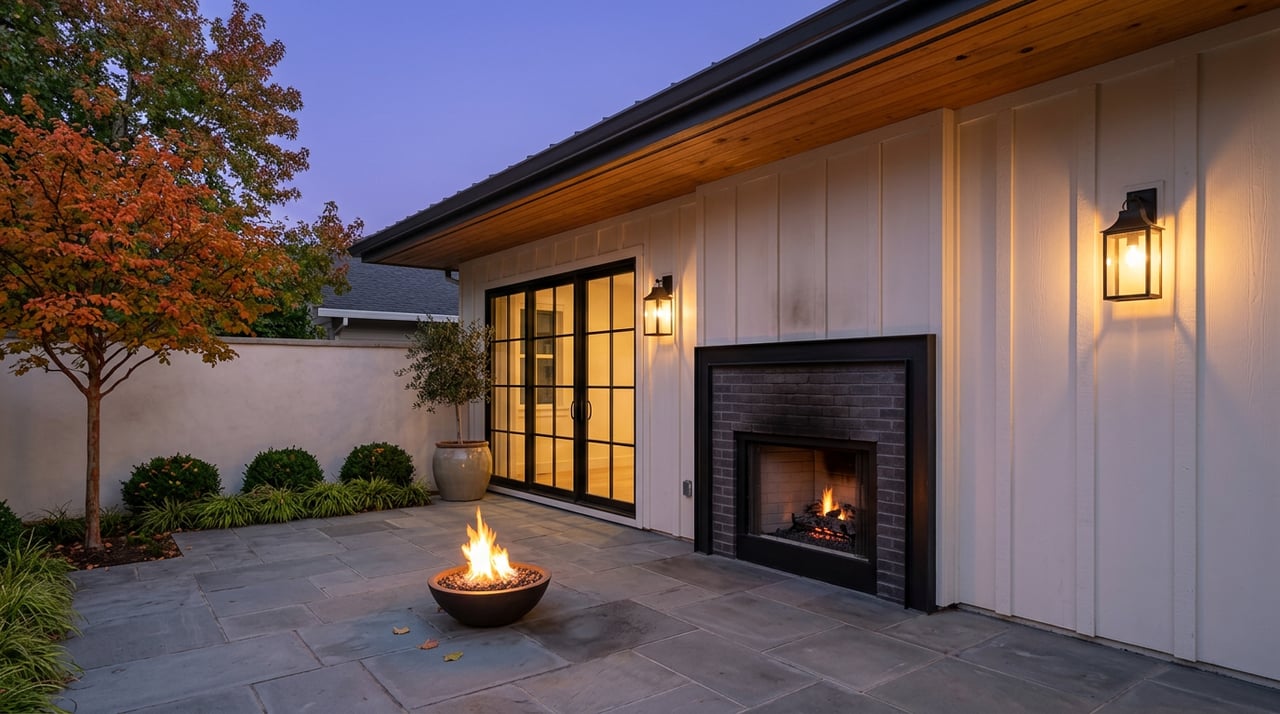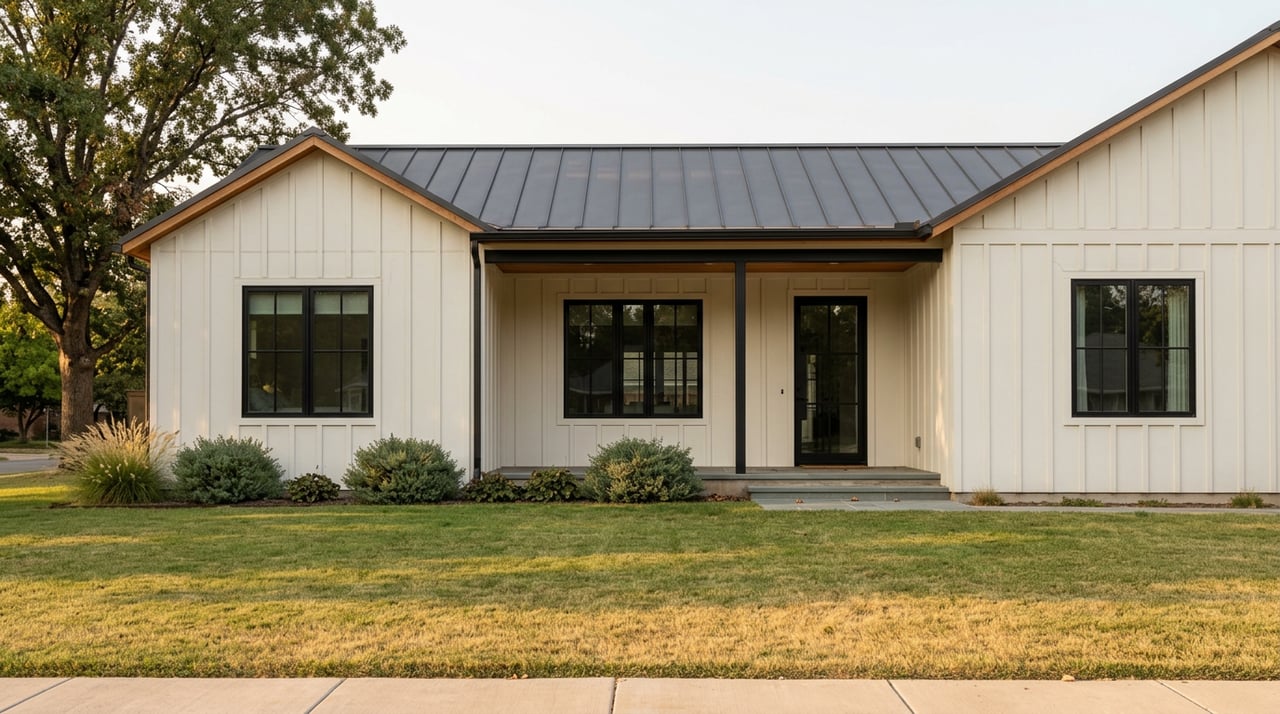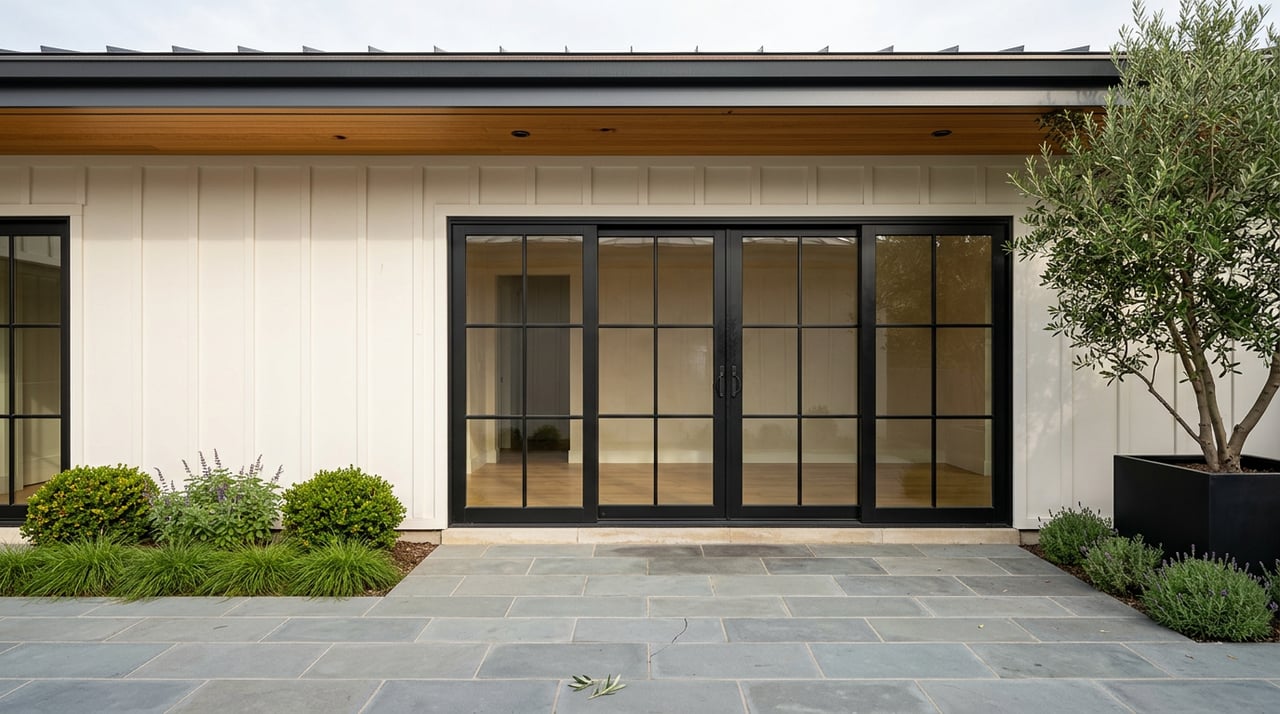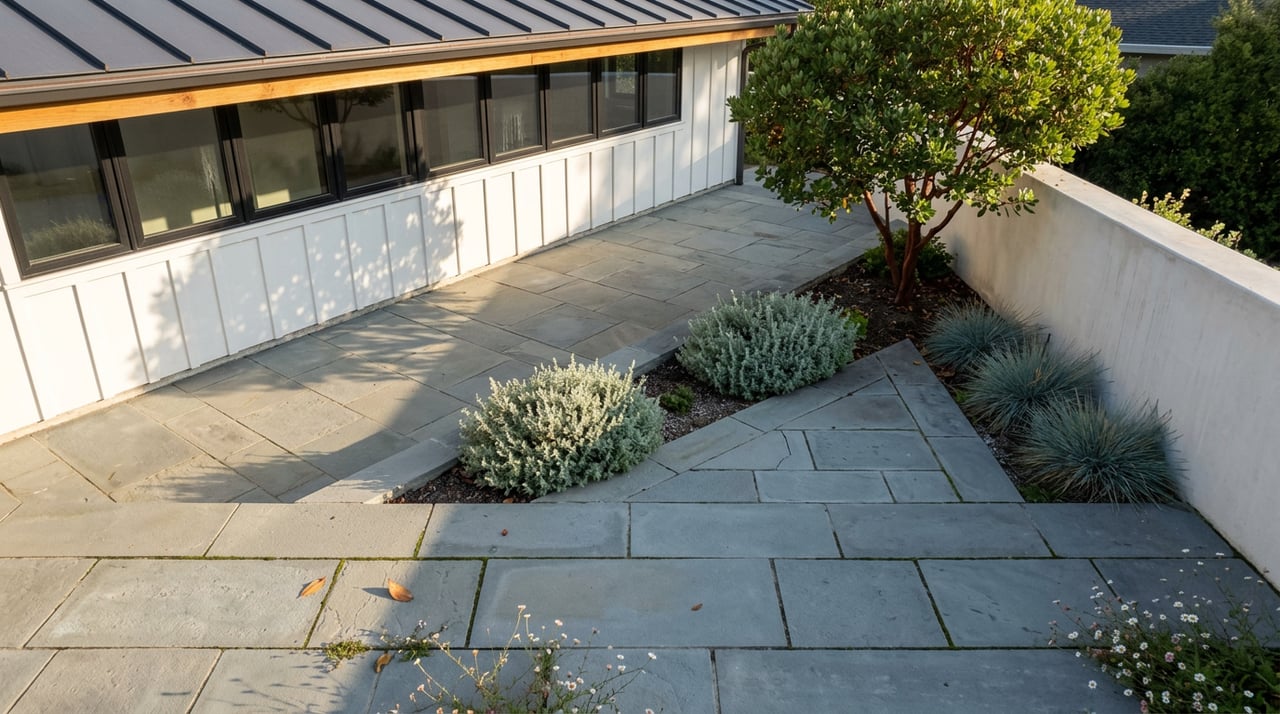
A pre-listing renovation on a historic Petaluma property does not stall because of paint colors or window styles. It stalls because the review of those choices happens in public, on a calendar the seller does not control, with a waiting period built in even after approval. That distinction, discretionary review versus a standard permit, is the piece most homeowners miss until they are already mid-project and behind schedule.
Petaluma's older neighborhoods, the streets around Oakhill-Brewster, the blocks near downtown, the grand homes clustered along D Street, carry real weight in this market. Buyers pay for the 1880s Italianate details on some blocks and the early-1900s work of local architect Brainerd Jones on others. But that same character means a seller planning a Compass Concierge-funded refresh before listing needs to know, early, whether the house sits inside a designated historic district and what that means for the permit timeline.
The Guidelines Aren't the Obstacle. The Calendar Is.
Petaluma's zoning code is direct about what triggers review: almost all exterior work on a designated historic resource requires some level of discretionary review before a permit issues. That is different from a standard remodel permit, where a contractor submits plans, the building division checks them against code, and work begins once they are stamped.
For a property inside one of Petaluma's historic districts, exterior changes, siding, window replacement, additions, new construction visible from the street, get evaluated against district design guidelines and the Secretary of the Interior's Standards for the Treatment of Historic Properties. Depending on scope, that evaluation happens at the staff level or in front of the Historic and Cultural Preservation Committee (HCPC) in a public hearing. The HCPC route comes with mailed notice to every property owner and occupant within 1,000 feet, a published notice in the Argus Courier, and, once a decision is made, a 14-day appeal window before that decision is final. A seller who plans a listing date around the assumption that "approved" means "done" is planning around the wrong milestone.
Where Petaluma Actually Draws the Historic Line
Petaluma has three city-designated historic districts, and knowing which one a property sits in, or whether it sits in one at all, changes the entire renovation timeline.
The Petaluma Historic Commercial District covers much of downtown: 96 contributing buildings across roughly 23 acres, listed on the National Register of Historic Places in 1995, with design guidelines adopted in 1999. The Oakhill-Brewster Historic District, adopted by City Council in 1990, sits north and west of downtown and represents one of the city's earliest residential neighborhoods, with architecture spanning the 1850s through the 1980s. The "A" Street Historic District, south and east of downtown, is a mix of residential and other properties.
Here is where sellers get tripped up: a house does not need to look historic, or be locally famous, to fall under one of these overlays, and a house can look every bit as grand as a district property without actually being regulated by the city at all. The homes celebrated along D Street, many of them recognized by Heritage Homes, a nonprofit that runs biennial home tours and preservation advocacy, are not automatically inside a city historic district. That nonprofit designation is a mark of local esteem. It is not the zoning overlay that triggers HCPC review. The only way to know for certain is to check the city's current list of designated landmarks and historic districts, which the Planning Division maintains and references before any permit is issued.
Two Addresses on Oak Street, Two Different Review Paths
The city's own list of active planning projects shows this playing out right now. Two residential exterior projects sit two doors apart on Oak Street: the Bergerol Residence Addition and Renovation at 528 Oak Street, and the LaFrenais Residence Renovation and Expansion at 526 Oak Street. Both are currently moving through the city's review process as documented on Petaluma's planning projects page.
Meanwhile, a rear elevation modification at 516 Walnut Street, the Dierkhising Residence, is proceeding on the lighter Minor HSPAR track, the administrative review reserved for smaller-scope exterior changes that don't require a full public hearing.
The lesson for anyone budgeting a pre-sale renovation timeline is that proximity and property type don't predict the review path. Two additions on the same block can carry different levels of public process depending on what's being changed and how much of the original structure it touches. That is not something a contractor's standard bid schedule accounts for.
The Renovation That Accidentally Becomes a Demolition
The sharpest trap in Petaluma's historic rules involves a threshold most renovation plans never intend to cross: the definition of demolition. Under the city's code, any structure built before 1945 that undergoes removal of 50 percent or more of its exterior walls is treated as a demolition, not a renovation, regardless of what the project is called on the permit application. Adding a second story that isn't clearly differentiated from the original structure can also trip this definition, as can raising a structure beyond what's needed for a new foundation.
Demolition means the removal of 50% or more of the exterior walls of a building or structure.
That single line matters enormously for pre-listing work on an older Petaluma home. A seller planning an ambitious Concierge-funded exterior overhaul, new siding on most of the house, a wraparound addition, a raised foundation to fix drainage, can unintentionally cross into demolition review under Implementing Zoning Ordinance Section 15.060 and City Council Resolution No. 2017-122, the city's Demo Policy. That review track exists specifically to slow the incremental loss of Petaluma's older building stock, and it applies to any pre-1945 structure whether or not it sits inside one of the three designated districts.
What This Means If You're Timing a Renovation to a Listing Date
| Scope of Work | Typical Review Path | What Adds Time |
|---|---|---|
| Minor exterior change (in-kind repair, rear elevation tweak, like the Dierkhising project) | Staff-level Minor HSPAR | Standard notice period, no public hearing |
| Major exterior alteration or addition on a designated resource | Historic and Cultural Preservation Committee hearing | Mailed notice within 1,000 feet, published notice, 14-day appeal after decision |
| 50%+ exterior wall replacement, second story addition, or foundation raise on a pre-1945 structure | Full demolition review under IZO 15.060 and the 2017 Demo Policy | Additional evaluation of historic significance before any permit issues |
For a seller weighing Compass Concierge-funded improvements against a target list date, the practical move is to find out which row applies before committing to scope. Petaluma's Planning Division offers staff consultations and a weekly Development Review Committee specifically to answer that question before a permit application is filed, and using either can be the difference between a renovation that closes on schedule and one still waiting on an appeal window when photography day arrives.
A reasonable sequence for a historic-district seller looks like this:
- Confirm the property's status against the city's current list of designated landmarks and historic districts before finalizing any exterior scope.
- Bring the proposed work to a Planning Division staff consultation or the Development Review Committee early, before contracts are signed with a contractor.
- If the scope touches more than half the exterior walls of a pre-1945 structure, or adds a second story, budget time for demolition-level review, not standard renovation review.
- If a full HCPC hearing is required, build the mailed notice period, the published notice, and the 14-day post-decision appeal window into the listing timeline, not just the construction schedule.
Frequently Asked Questions
Does a Heritage Homes designation mean my house is legally protected as historic? No. Heritage Homes is a nonprofit that recognizes and helps preserve architecturally or culturally significant Petaluma properties through tours and advocacy. The city's regulatory historic districts and individual landmark designations are a separate system, tracked on the zoning map, and that's what determines whether HCPC review applies to your renovation.
How much extra time does historic review realistically add? It depends on the track. A Minor HSPAR project, like the rear elevation work at 516 Walnut Street, moves through staff review without a public hearing. A major alteration reviewed by the HCPC requires mailed and published notice before the hearing can even be scheduled, plus a 14-day appeal period after the decision. Demolition-level review, triggered by extensive exterior wall replacement on a pre-1945 structure, adds a historic significance evaluation on top of that.
Can I find out before I buy whether a specific house is inside a historic district? Yes. The Planning Division maintains a current record of designated landmarks and historic districts and checks it before issuing any permit. The same information is available through the city's zoning map, and Planning staff can confirm district status directly.
A historic Petaluma property is an asset when it's marketed and prepared correctly, and a liability when its timeline is guessed at. Morel Home Team works through exactly this kind of pre-sale sequencing, matching Compass Concierge scope to what a property's actual review path allows, so a renovation supports the listing date instead of chasing it. If you're weighing a pre-sale renovation on a Petaluma property, Request a Home Valuation and we'll walk the timeline with you before any permits are filed.